Add an offline recovery layer beyond network reach to support ransomware recovery planning.
Why this fit: Fits mission-critical continuity planning with offline safeguards.
Industry · Government & Military
For government agencies, defense organizations, and mission-support teams, modern tape can provide a durable offline tier for governed records, operational datasets, and continuity copy programs.



Retention drivers
Security and governance
Lifecycle workflow
Mapped use-case patterns
Add an offline recovery layer beyond network reach to support ransomware recovery planning.
Why this fit: Fits mission-critical continuity planning with offline safeguards.
Support governance policies that require multi-year retention, auditability, and controlled access.
Why this fit: Aligns to long-term records retention and strict control requirements.

Long-retention records, operations artifacts, and event logs requiring controlled archival workflows.
Large map, imagery, and derived product libraries retained for reference and longitudinal analysis.
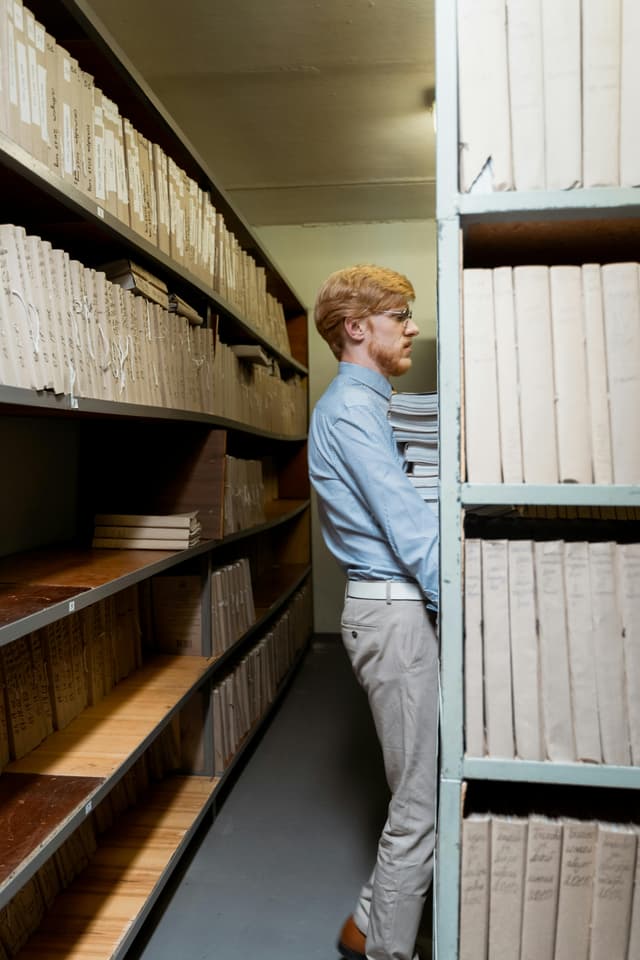
Documentation packages, audit evidence sets, and investigation artifacts stored for long-horizon access.
Historical simulation outputs and training media that require durable storage and selective retrieval.
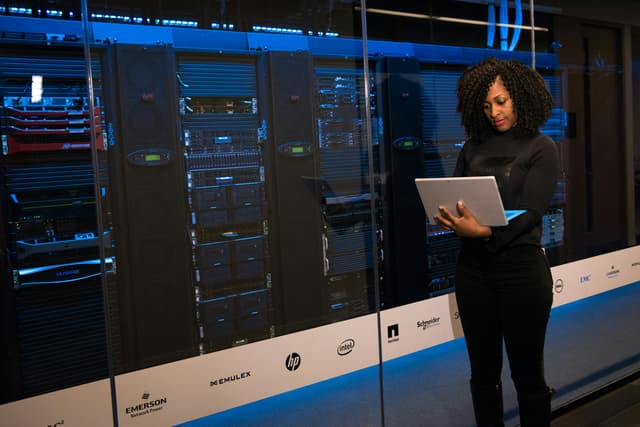
Older analytical datasets preserved for future review without occupying high-cost active tiers.

Offline or vaulted copy sets supporting continuity and disaster recovery exercises.
Public-sector archive programs often emphasize traceable handling, retention policy enforcement, and repeatable retrieval under formal review procedures.
What tape helps with:
This is not legal advice; map archive controls to agency policy and oversight requirements.
Imagery strip
Offline continuity architecture
Policy and handling controls
Long-horizon storage planning
Optional layers
Operational callouts
Map dataset criticality and retention obligations to policy tiers.
Apply job-level validation and exception tracking.
Track media identifiers, location, and handling metadata.
Document transport, vault check-in, and custody handoffs.
Validate restore workflows against mission readiness targets.
Apply secure media retirement and evidence logging procedures.
Tooling varies widely by environment; compatibility, policy design, and retrieval procedures should be validated in your operational context.
Recommended Qualstar path
For controlled local archives and periodic media rotation.
For larger operational footprints and higher ingest concurrency.
For high-growth programs and rack-scale planning.
How to choose
Yes, especially for long-retention data where offline recovery and controlled handling are priorities. Practicality depends on workflow discipline and retrieval planning.
Tape can provide offline copy sets and optional geographic separation, supporting continuity models when combined with tested recovery runbooks.
Yes, with consistent labeling, inventory systems, custody logs, and documented handoffs between operational and vaulting teams.
Use policy controls and WORM-capable workflows where required, and align implementation details with governance policies.
Most environments integrate through established backup and archive platforms. Validate compatibility and restore behavior before production cutover.
Reference materials and planning docs
Next step
Share how much data you hold and how long it must stay readable. A Qualstar specialist replies with a library recommendation, an offline-copy plan, and budget guidance during business hours.
Tell us how much data you hold and how long it must stay readable. A Qualstar specialist will reply with a sizing recommendation during business hours.
More ways to start
Share your retention classes, growth assumptions, and recovery targets. We can help map an operating model and right-sized library path.