Preserve camera masters, mezzanine files, and restoration assets with predictable archive operations.
Why this fit: Directly aligns to editorial, broadcast, and streaming retention needs.

Industry · Media & Entertainment
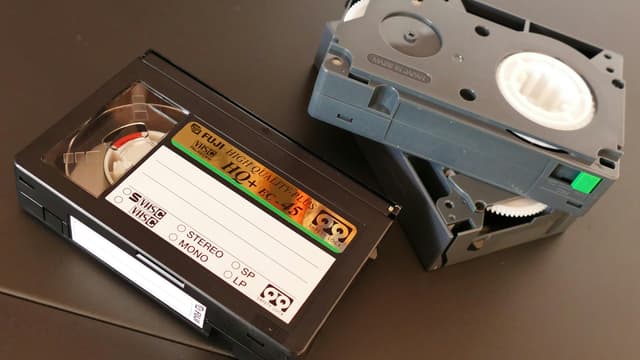
For studios, broadcasters, streaming teams, and post-production organizations, modern tape can act as a strategic preservation tier for masters, mezzanine files, and restoration assets.


Retention drivers
Security and governance
Lifecycle workflow
Mapped use-case patterns
Preserve camera masters, mezzanine files, and restoration assets with predictable archive operations.
Why this fit: Directly aligns to editorial, broadcast, and streaming retention needs.
Add an offline recovery layer beyond network reach to support ransomware recovery planning.
Why this fit: Pattern alignment based on retention and recovery constraints.

Primary source materials requiring durable long-horizon preservation workflows.

Production intermediates retained for remastering, localization, and re-release workflows.
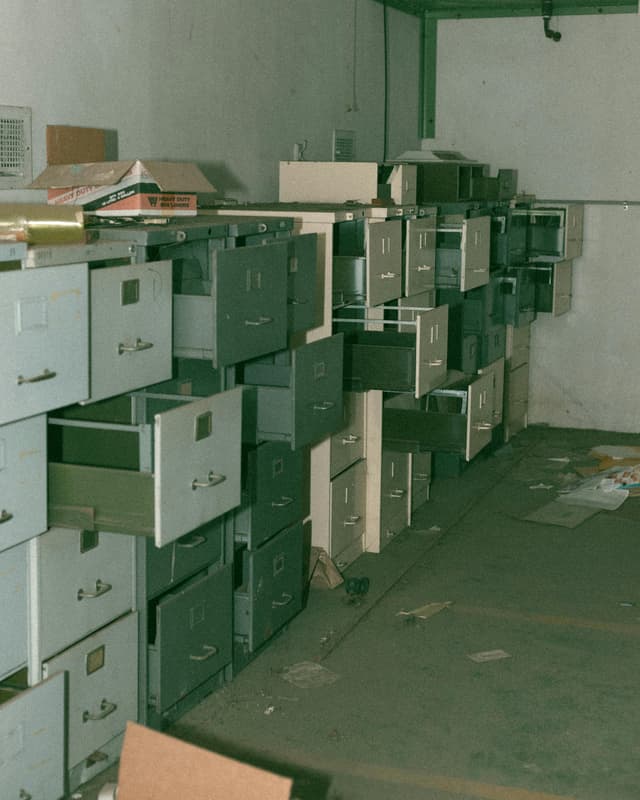
Completed project bins, timelines, and associated dependencies retained for future production needs.

Licensing records, deliverable evidence, and policy documentation for legal and distribution review.
Offsite or offline copy sets for business continuity and cyber resilience planning.
Legacy catalog materials maintained for monetization and restoration initiatives.
Media organizations often require policy consistency across rights, lifecycle, and restoration workflows. Archive operations benefit from traceable handling and repeatable retrieval procedures.
What tape helps with:
This is not legal advice; align archive controls with legal, rights, and compliance teams.
Imagery strip
Preservation-first archive strategy
Offline resilience workflows
Long-term catalog durability
Optional layers
Operational callouts
Classify masters, intermediates, and project archives by lifecycle value.
Apply checksums and validation after archive writes.
Track project, rights, and technical metadata for retrieval.
Apply custody procedures for onsite and offsite media movement.
Validate restore workflows against operational scenarios.
Execute secure retirement aligned to rights and retention rules.
Implementation details depend on your media asset management, backup, and indexing stack. Validate end-to-end retrieval workflows before full rollout.
Recommended Qualstar path
For project-level retention and moderate ingest profiles.
For larger content catalogs and higher retrieval concurrency.
For sustained multi-petabyte growth and centralized operations.
How to choose
Yes, especially for long-horizon preservation where assets are rarely accessed but must remain recoverable and cataloged.
Catalog quality, metadata discipline, and tested restore procedures are the biggest factors in practical retrieval timelines.
Offline and vaulted copy sets can support resilience planning when integrated with broader backup and incident response workflows.
Use controlled media labeling, inventory systems, and documented handoff procedures for onsite and offsite handling.
Validate ingest throughput, metadata indexing, and restore workflows in representative scenarios before expanding.
Reference materials and planning docs
Next step
Share how much data you hold and how long it must stay readable. A Qualstar specialist replies with a library recommendation, an offline-copy plan, and budget guidance during business hours.
Tell us how much data you hold and how long it must stay readable. A Qualstar specialist will reply with a sizing recommendation during business hours.
More ways to start
Share your retention classes, growth assumptions, and recovery targets. We can help map an operating model and right-sized library path.