Qualstar logo
Cyber RecoveryEnterprise ITArticle

Tape vs. Cloud for AI Data Storage: What Happens After Training?

When you finish training a model you are sitting on your company’s crown jewels. The question is not just where you park that data, it is who controls it and who can reach it — and why the copy that saves you belongs on hardware you can physically pull off the network.

Published in Archive · 5 min read

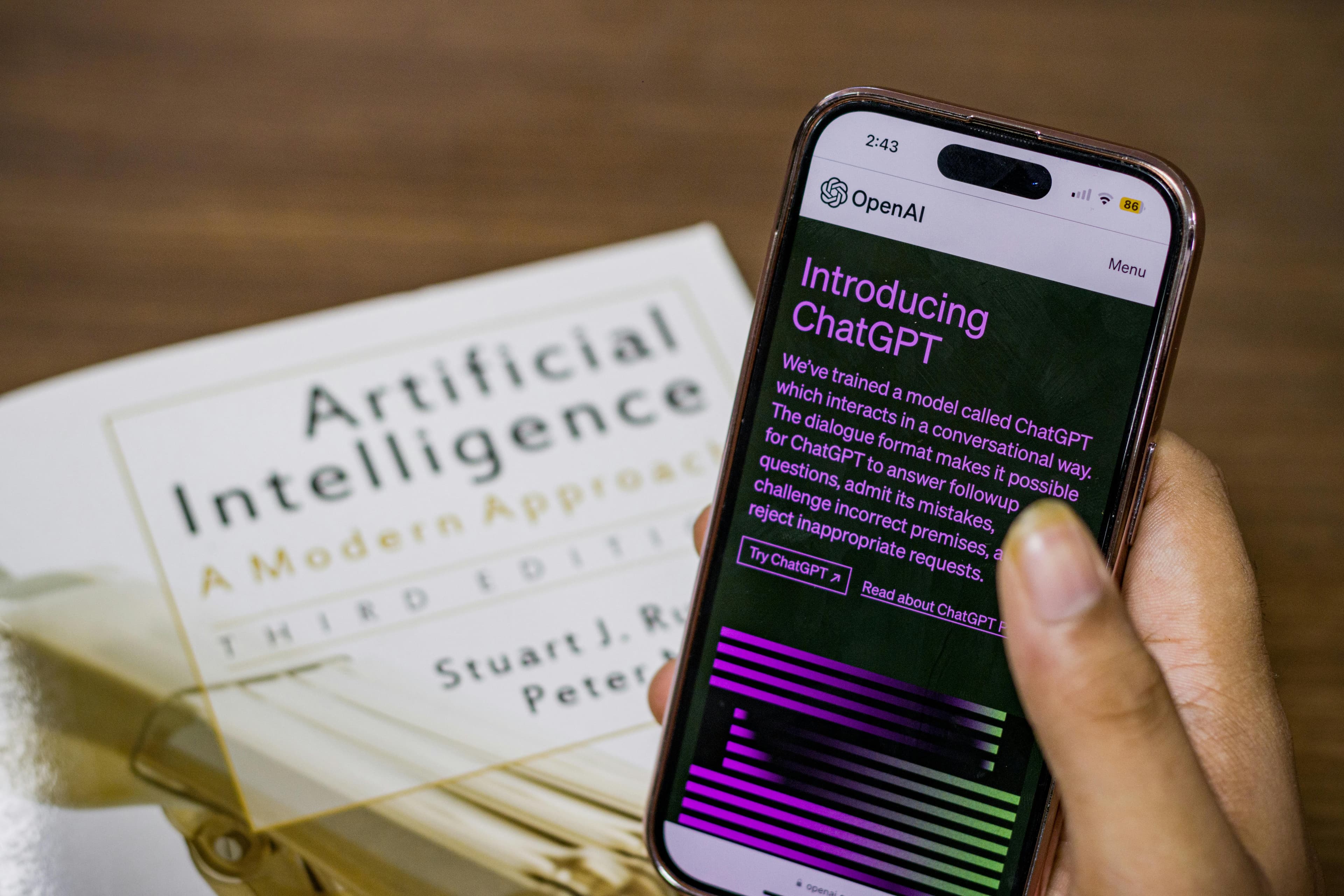
AI compute infrastructure that produces high-value training data
After the GPUs finish, the dataset and checkpoints are the asset. Where they live decides who controls them.

When you finish training a model, you are sitting on one of the most valuable things your company owns. The dataset, the checkpoints, the embeddings, the years of work that went into curating all of it. That is your edge, it is your intellectual property, and in plenty of cases it is sensitive or regulated on top of that. So the real question after training is not just where you park it, it is who actually controls it, and who can reach it.

That is the part the cloud quietly changes on you. The moment your training data lives in a cloud bucket, it is sitting on somebody else’s machines, in somebody else’s building, reachable over a network, and tied to an account that is protected by a set of credentials. It feels like your data, and legally it is your data, but you are no longer the only one with a path to it. The provider has access. Anyone who gets hold of the right API key has access. Anyone who phishes an admin, finds a misconfigured permission, or walks in through a flaw you have not patched yet has access. None of that requires getting anywhere near your building. It all happens over the wire.

And that is exactly how the serious attacks work now. Ransomware crews do not just encrypt your live systems and hope for the best, they go hunting for your backups first, because they know that is the thing that saves you. If your backup is online, synced, and reachable with the same credentials as everything else, it is not really a safe copy, it is just another target sitting in the blast radius. A compromised cloud account is the same story. Once someone is inside with valid keys, every petabyte you have stored there is theirs to encrypt, copy, or quietly delete, and they can do it from the other side of the world without ever tripping an alarm in your office.
Here is the thing no network based storage can give you, no matter how many layers of security you wrap around it. A real air gap. When you write your data to tape and eject the cartridge from the drive, that data is now physically disconnected from everything. There is no network path to it. There is no protocol that reaches it. There is no pause sync button to hunt for, no dashboard to log into, no remote exploit that works, because the cartridge is just sitting on a shelf, electrically dead, completely outside the digital world. Ransomware cannot encrypt what it cannot reach, and it genuinely cannot reach a tape that is not in a drive. That is not a security policy you are hoping holds up, it is physics.

An LTO tape cartridge on a shelf, physically disconnected from any network
Eject the cartridge and the data is electrically dead on a shelf — a real air gap ransomware cannot cross.

Tape gives you a few other things that start to matter once you treat your data as something to protect and not just store. WORM media, which stands for write once read many, lets you lock a cartridge so the data on it cannot be altered or overwritten, and that rule is enforced by the hardware itself, not by a software setting that an attacker or a careless admin can switch off. Once it is written, it is final. Modern LTO drives also encrypt the data right on the cartridge, so even if someone walked off with a physical tape, what they would be holding is a brick of ciphertext, not your training set.

But the bigger idea underneath all of it is ownership. When the data lives on hardware you bought and you run, you are the one who decides where it sits, who is allowed near it, and whether it is connected to anything at all. You can keep a copy in a vault across town. You can hand it to no one. There is no third party account that can be breached on your behalf, no provider that can change its terms next quarter, no outage on someone else’s status page that takes your archive dark. And because the media itself is rated to stay readable for decades, you are not quietly betting your data on whether some vendor is still in business, and still charging the same price, ten years from now. Your data is in your building, on your shelves, under your control, and that is a very different feeling from hoping a hyperscaler’s security team is having a good year.

That principle is the whole reason Qualstar is built the way it is. We have been making tape libraries in California for over forty years, and we are the last independent tape library manufacturer left, which means we are not in the business of locking you into anything. We run on LTO, an open standard, so a cartridge you write today can be read by any compliant drive from any vendor, and your archive is never held hostage to one company’s roadmap or one account’s password. No slot fees, no proprietary format you are forced to adopt, just a standards based target that works with whatever software and appliances you already trust. And if you want a steer on what to run in front of it, we are glad to point you toward partners we trust without ever making the call for you. Think of us as the Switzerland of data storage.

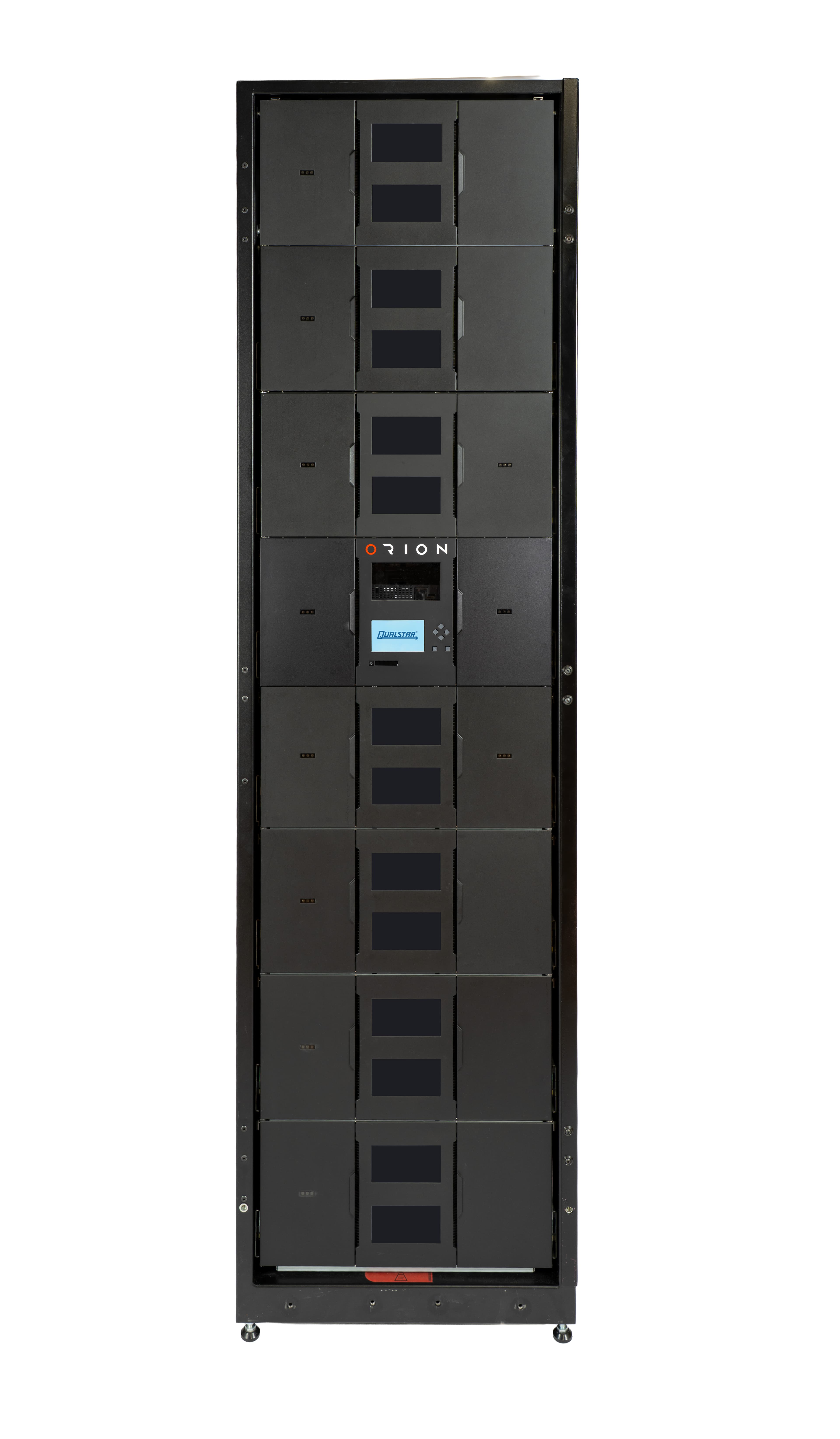
It scales with you too, so owning your archive never means outgrowing it. A Q8 puts 144 terabytes in a single rack unit if you are just getting started, and a Q1000+ holds 44.6 petabytes per rack and keeps going from there, all on the same open LTO underneath. You start where you are and grow into it, and the whole time the data stays on hardware you control.

Qualstar Q1000+ rack-scale tape library
From a 144 TB Q8 to a 44.6 PB Q1000+, the archive scales on the same open LTO you own outright.

None of this is an argument against the cloud for the work it is genuinely good at. Active training wants fast storage and fast networks, and the cloud is great for spinning compute up and down and for serving a model once it is live. The point is simpler than cloud versus on prem. It is that the crown jewels, the irreplaceable training data and the record of how your models were actually built, belong on hardware you own and can physically pull off the network whenever you want. Keep the working copies wherever they are convenient. Keep the copy that actually saves you somewhere nobody can reach without walking into your building.

Because the models will keep changing and the tools will keep changing, but the data behind them is yours. The only way to be sure it stays that way is to hold onto it yourself.