Qualstar logo
Storage EconomicsEnterprise ITArticle

Cloud Repatriation Is Here. Where Does Your Archive Land?

Heading into 2026, more than 80 percent of CIOs plan to bring at least some workloads back on-premises. The hard question repatriation plans forget is the one that decides the whole bill: where does the cold data land once it is home?

Published in Archive · 5 min read

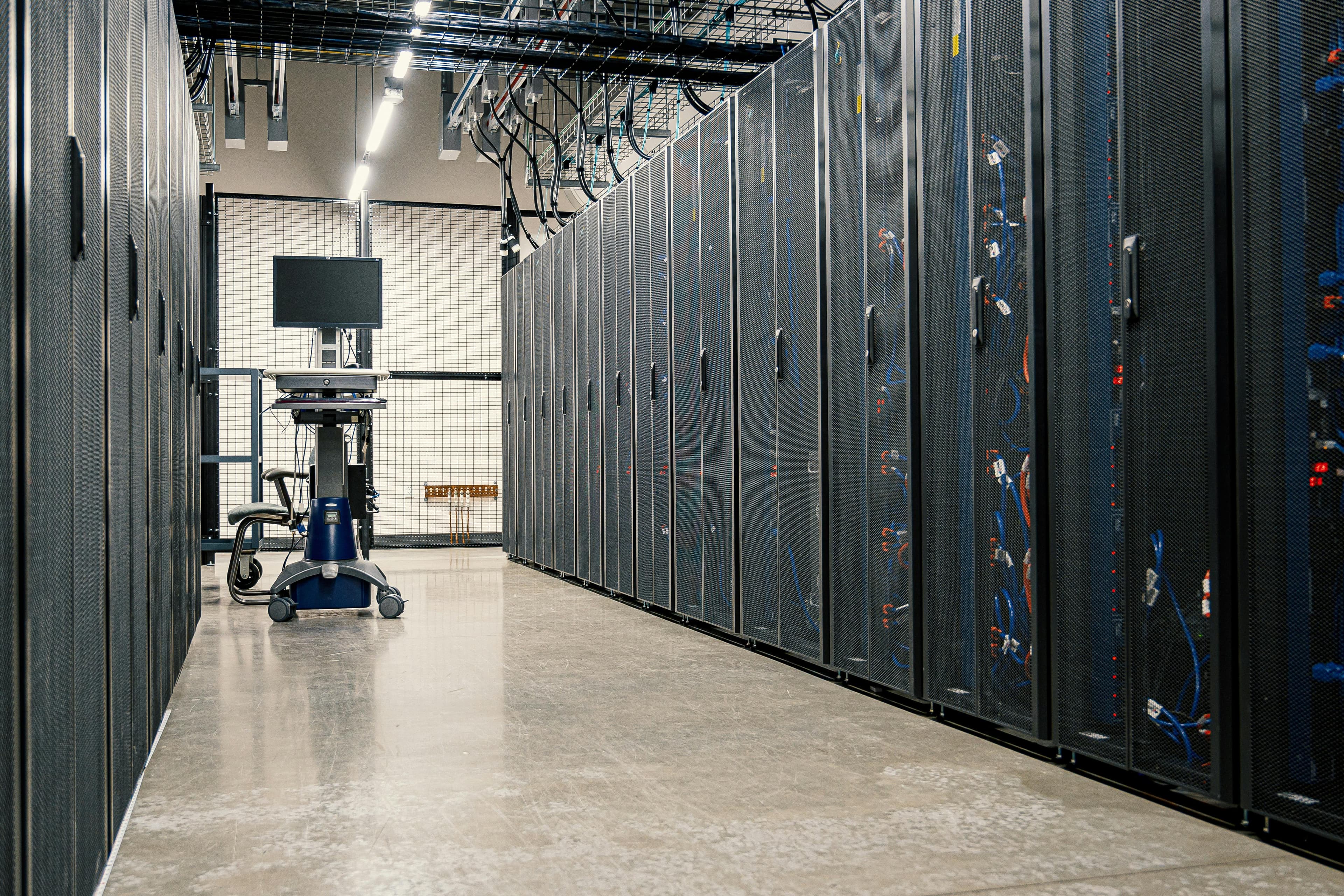
On-premises storage racks in a company-owned data center
Repatriation is companies getting specific about which data belongs where — and refusing to pay rent on petabytes that barely move.

For fifteen years the advice barely changed: move everything to the cloud and don’t look back. That consensus is cracking. Heading into 2026, surveys put the share of CIOs planning to pull at least some workloads back on-premises at levels nobody would have predicted a few years ago, north of 80 percent. The industry even has a word for it now. Repatriation.

This isn’t a backlash, and it isn’t nostalgia for the server closet. It’s a correction. Companies went all-in on cloud, ran the experiment for a decade, and read the bill. For the right workloads, the bursty and variable and unpredictable ones, cloud still wins easily. For large, steady, predictable data that mostly sits still, the numbers stopped adding up.

The bill that changed people’s minds

Two costs do most of the damage.

The first is storage at scale. Cloud archive tiers look cheap per gigabyte until you multiply by petabytes and years. The second is the one that genuinely makes people angry: egress. Cloud providers charge you to take your own data out, roughly $0.08 to $0.12 per gigabyte, which means the more data you’ve parked, the more it costs to leave. That isn’t an accident of pricing. It’s the moat.

The example everyone cites is 37signals, the company behind Basecamp. Their CTO looked at a cloud bill running past $3.2 million a year and decided to go. They bought their own hardware, including around 18 petabytes of storage for about $1.5 million, and now run it for under $200,000 a year. On storage alone, that’s a swing of more than a million dollars annually. Over five years they expect to keep something north of $10 million that would otherwise have gone to renting infrastructure, and they didn’t add staff to pull it off.

Stories like that travel. When a recognizable software company publishes its math, every CFO staring at a seven-figure cloud bill starts asking the same question.

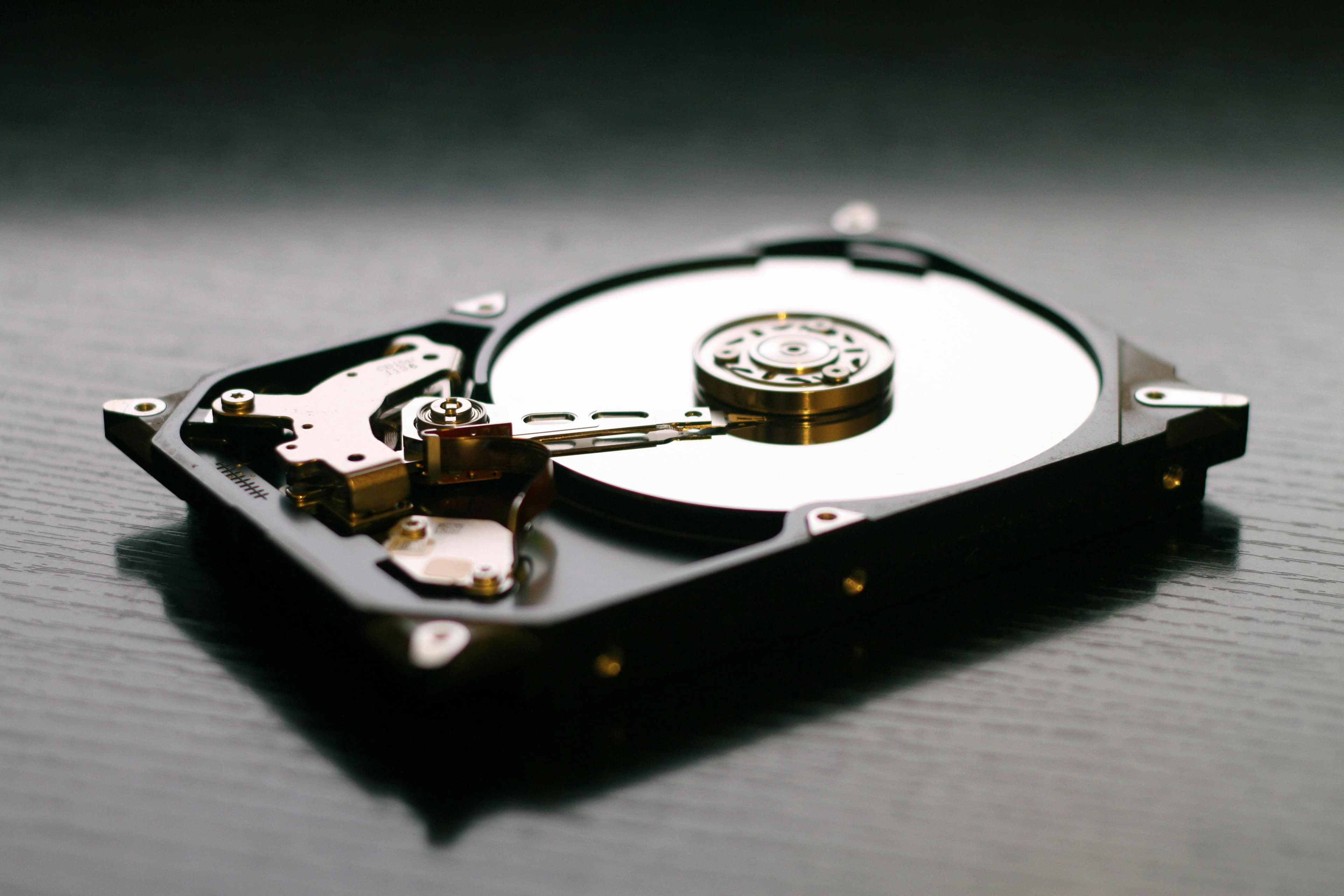
Rows of enterprise hard drives representing cloud storage at scale
Cloud archive looks cheap per gigabyte until you multiply by petabytes and years — then add egress to leave.

It’s not only about money

The cost story gets the headlines, but it isn’t the whole motive. In the same surveys, security and data governance rank nearly as high as cost. Roughly half of organizations name data security and privacy as their primary reason for bringing workloads home.

That tracks with where the world is heading. Data sovereignty rules are tightening across regions. Boards want to know exactly where sensitive data physically lives and who can reach it. “Somewhere in a hyperscaler’s region” is a harder answer to defend than it used to be, especially for regulated records, irreplaceable archives, or anything a competitor or an attacker would love to get hold of. Owning the infrastructure puts that control back inside the building.

The part repatriation plans forget

Here’s the catch that trips teams up. Pulling workloads back is the easy headline. The hard question is where the cold data goes once it’s home.

Most of what gets repatriated isn’t hot. It’s the archive: the backups, the historical records, the finished projects, the compliance holds, the footage and datasets you have to keep but rarely open. Putting all of that back onto spinning disk on-prem just trades one always-on bill for another. Disk draws power and cooling around the clock and needs refreshing every few years. For data that mostly sleeps, that’s money burning for no reason.

This is exactly where tape earns its place, and it’s why the medium people keep declaring dead is quietly growing. The tape market was worth around $6.8 billion in 2025 and is on track to roughly double over the next decade. A cartridge at rest draws zero power. Modern LTO-10 media holds 40 terabytes natively, lasts 30 years, and gives you a genuine offline copy that ransomware can’t reach across a network. For the archive layer of a repatriation plan, nothing else comes close on cost per terabyte.

Tape cartridges forming the cold storage tier
Most of what gets repatriated is cold. A cartridge at rest draws zero power — disk never stops billing.

Don’t leave one lock-in for another

There’s an irony worth naming. Plenty of companies leave the cloud to escape vendor lock-in and pricing they don’t control, then land on a proprietary on-prem system that charges slot fees and traps them all over again. That’s swapping one cage for a smaller one.

The whole point of coming home is to own your decisions. That only works if the storage underneath is open. LTO is a published standard with a roadmap that stretches past 900 terabytes per cartridge in future generations, and a tape written today reads on any compliant drive from any maker. No format ransom. No surprise upgrade you didn’t choose.

This is the lane we’ve stayed in at Qualstar for more than forty years, as the last independent tape library manufacturer. No slot fees. No proprietary stack you’re forced to adopt. Our Q-Series libraries act as a standards-based target for whatever backup software, asset manager, or archive tool you already run, from a 144-terabyte Q8 in a single rack unit up to a Q1000+ holding 44.6 petabytes per rack. We’ll point you toward the upstream software and appliance partners we trust, then get out of the way. Think of us as the Switzerland of data storage: neutral ground your archive can sit on without picking a side.

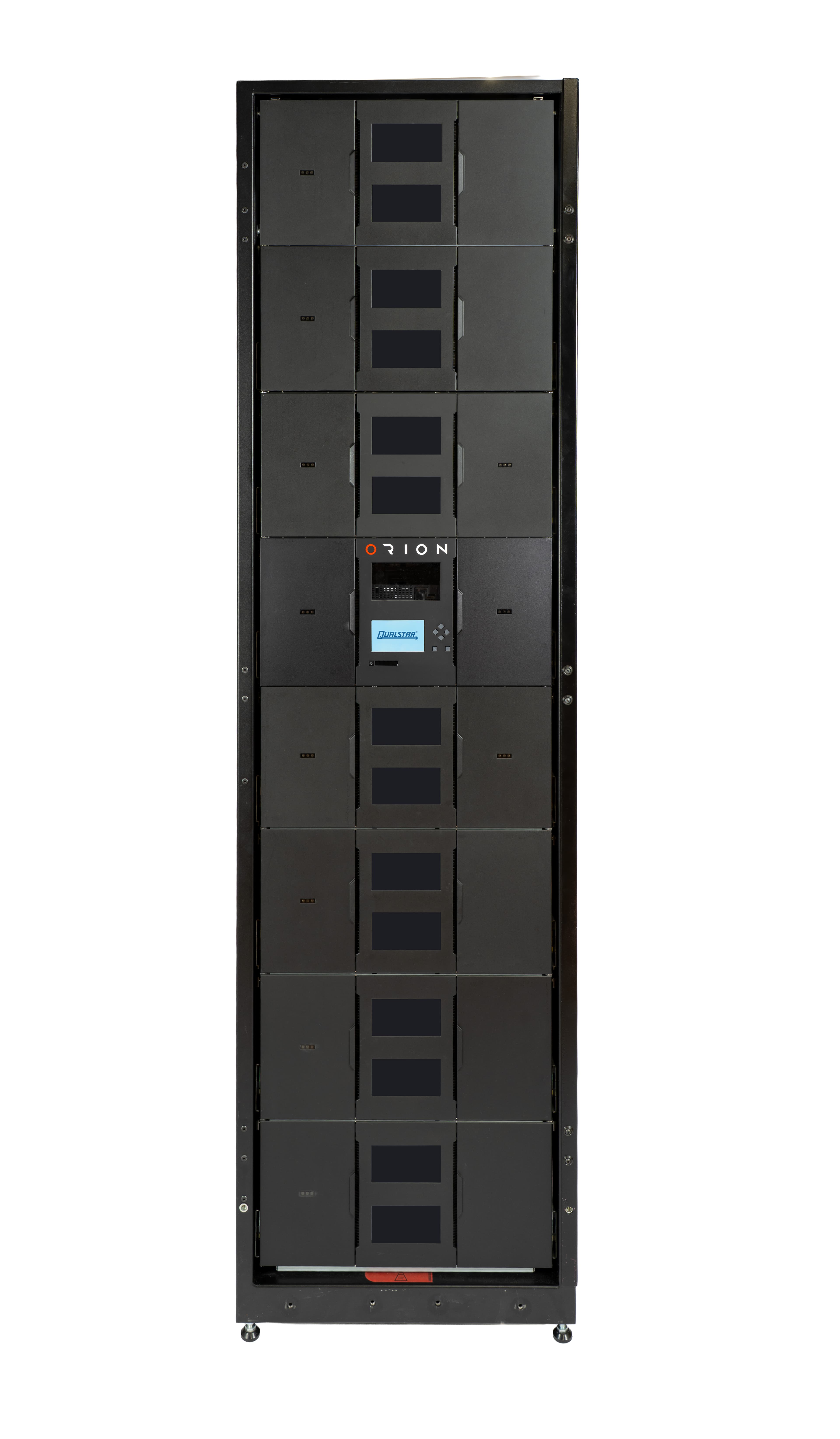
Qualstar Q1000+ open-standard LTO tape library
Come home to open LTO, not another proprietary cage: a 144 TB Q8 up to a 44.6 PB Q1000+ per rack.

The on premise storage story

Cloud repatriation isn’t a referendum on the cloud. It’s companies getting specific about which data belongs where, and refusing to pay rent on petabytes that barely move. When you bring that data home, the smart move is to land the cold tier on something cheap, durable, offline, and open. That’s tape. And after a decade of paying to get your data back, owning the ground it sits on feels pretty good.