Qualstar logo
Storage EconomicsCloudArticle

How Hyperscale Data Growth Is Changing the Future of Cold Storage

AI-driven data growth has sold out the world's nearline hard-drive supply through 2028 and pushed hyperscalers to diversify their cold tiers. Here is what that shift means for enterprises sitting downstream.

Published in Archive · 5 min read

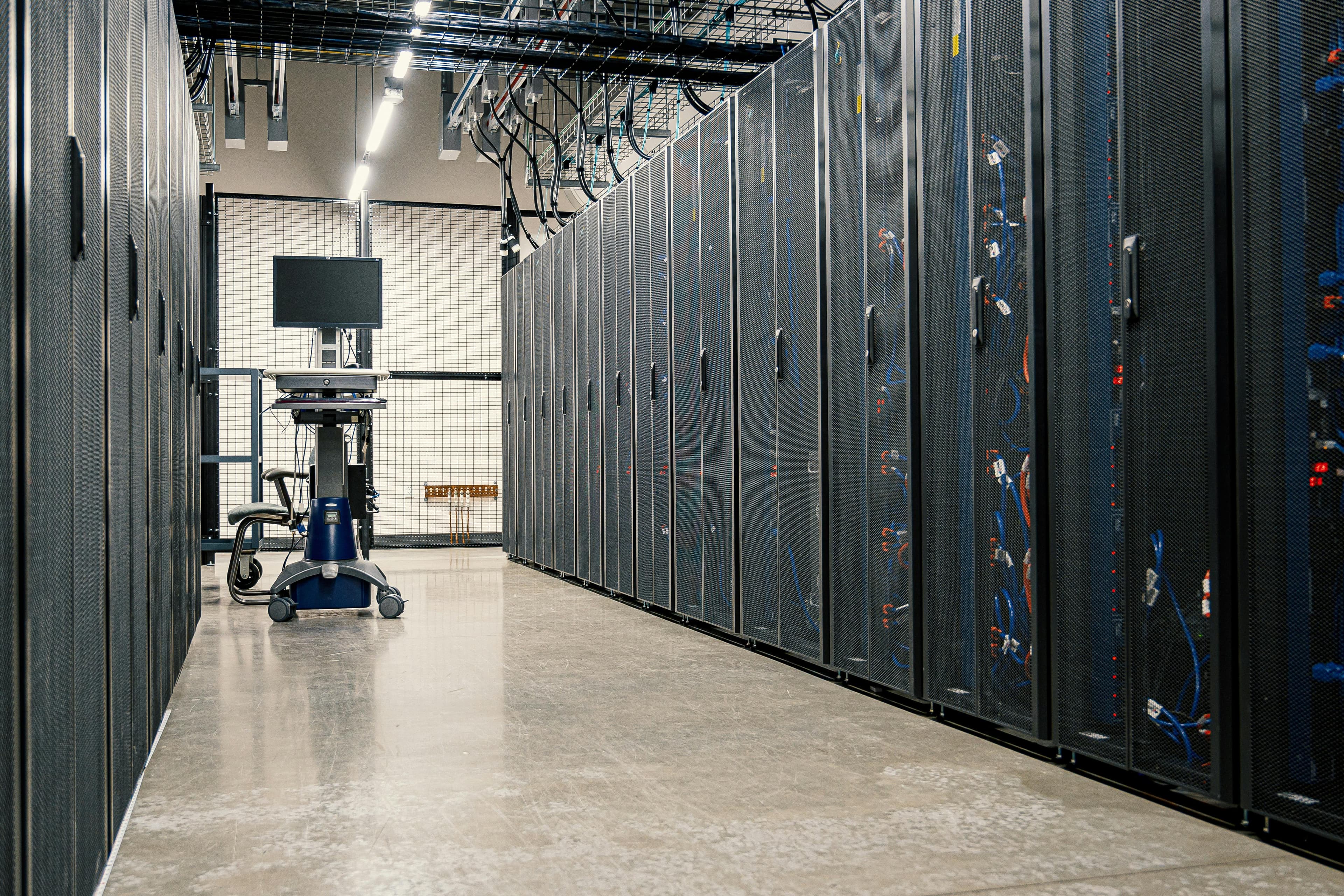
Hyperscale data center racks representing rapid data growth
Hyperscale data growth, driven by AI, has flipped the storage supply chain and reshaped how cold data is stored.

The global datasphere reached an estimated 173.4 zettabytes in 2025 and is forecast to land between 230 and 240 zettabytes in 2026, on the way to 527.5 zettabytes by 2029, according to IDC. The pace of growth is no longer the data-doubling rhythm of the cloud era. It is the pace set by AI training pipelines, synthetic data generation, and the retention schedules that follow every model and every inference log into long-term storage.

That pace is what has flipped the storage supply chain. Western Digital and Seagate, which together hold roughly 80 percent of the global HDD market, have confirmed that their entire 2026 nearline production has been sold through to AI hyperscalers, with binding agreements stretching into 2028. Industry analysis from Tom's Hardware places nearline demand growth at about 25 percent year over year, with hyperscalers buying high-capacity drives in the 20 to 30 terabyte range to build out the cold tiers where training corpora, model checkpoints, inference logs, and synthetic outputs are kept. The crowd-out effect on enterprise buyers is direct and visible, with lead times now stretching beyond a year for top-capacity drives.

What Hyperscalers Are Doing About It

Hyperscalers have not solved this by buying more disk alone. They have quietly diversified the substrate underneath their cold tiers. IEEE Spectrum has reported that Microsoft, Amazon, OVH, and Baidu all deploy tape at hyperscale, which is the structural reason Glacier Deep Archive, Azure Archive, and Google Cloud Archive can offer sub-cent-per-gigabyte monthly pricing and still operate profitably. Without an automated tape back end, those numbers simply do not work.

Beyond tape, research has continued. Microsoft's Project Silica, now in a post-prototype phase according to a December 2025 update tracked by Blocks and Files, writes data into quartz glass at densities the project describes as comparable to modern tape on a square plate the size of a DVD, with projected media longevity in the 10,000-year range. Microsoft has stepped back from DNA storage, citing slower-than-expected density gains, but the broader pattern is consistent: the hyperscalers are treating the cold tier as a strategic asset that will require more substrates than disk and cloud alone can provide.

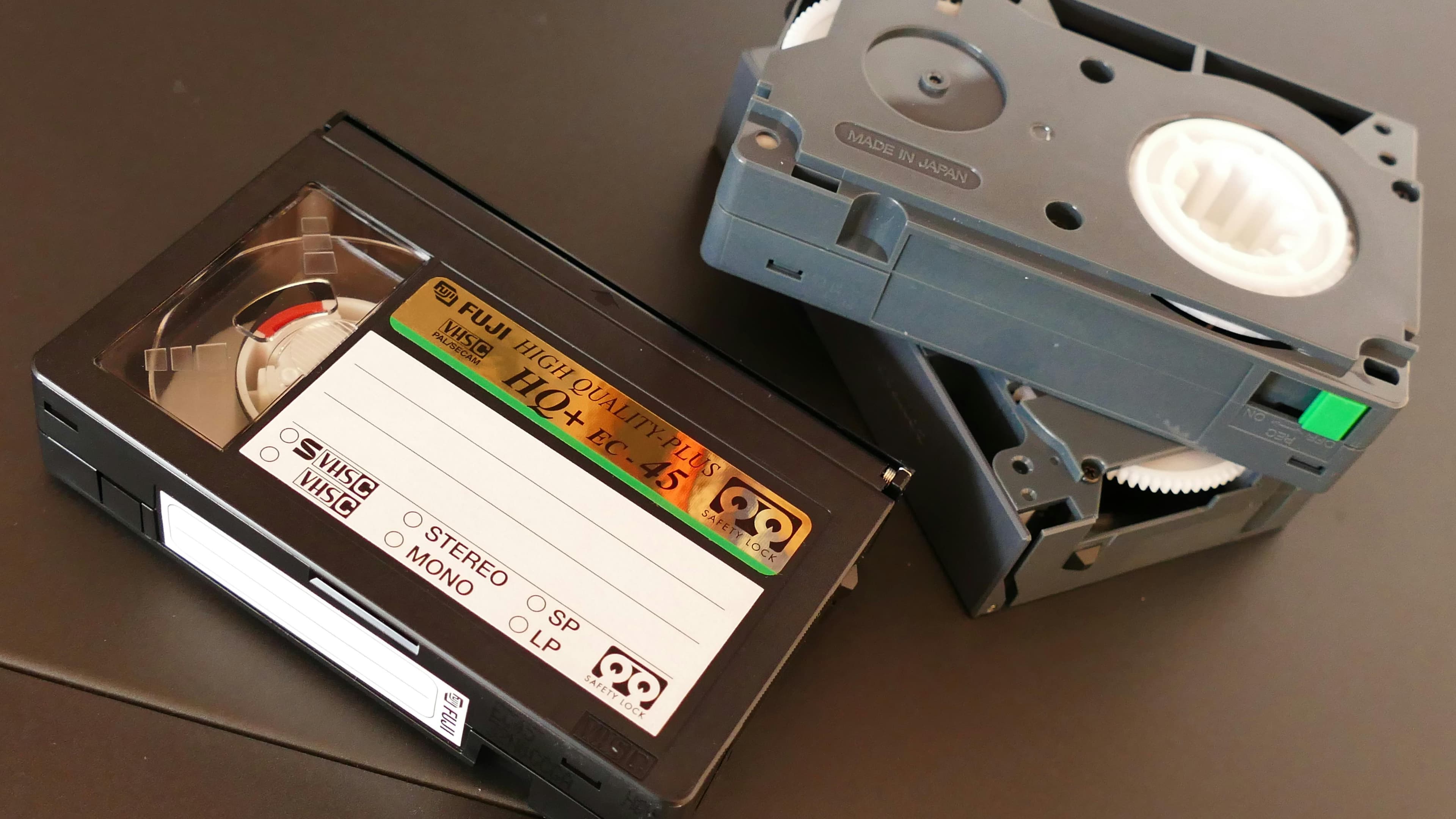
Modern LTO tape media representing hyperscale cold storage
Microsoft, Amazon, OVH, and Baidu all run automated tape beneath their archive tiers.

The Power Problem That Sits Underneath Everything

Cold storage decisions at hyperscale are not made in isolation from the grid. The International Energy Agency now projects global data center electricity consumption at roughly 1,100 terawatt-hours in 2026, equivalent to Japan's total national consumption, with AI workloads accounting for a meaningful share of that. Goldman Sachs forecasts a 165 percent increase in data center power demand by 2030, driven by AI training and inference.

The grid response has been too slow. Northern Virginia, the largest data center market in the world, halted new permits in several counties through 2025 while transmission upgrades caught up. Ireland's energy regulator put a de facto moratorium on Dublin-region grid connections for several years and only recently reopened access on a conditional framework. Engineering News-Record reports that new high-capacity grid connections in major hubs now face wait times of 4 to 7 years. A 2024 voltage event in Northern Virginia caused 60 data centers to disconnect from the grid simultaneously, triggering a 1,500 megawatt surplus.

In that environment, the continuously powered storage tier is the one that generates the most heat. Disk shelves draw power at rest, every minute of every day, to power the spindles, controllers, and the cooling that keeps them in spec. A tape cartridge on a shelf draws zero watts. The carbon math for cold archive tilts in the same direction. A Brad Johns Consulting study published in the SMPTE Motion Imaging Journal modeled that moving 10 petabytes of cold data from HDD to LTO over a 10-year horizon reduces associated carbon emissions by roughly 87 percent.

Electrical grid infrastructure representing data center power demand
As grid connections back up for years, the always-on storage tier is the one drawing power around the clock.

What This Means for Enterprises Sitting Downstream

Enterprises are not building hyperscale data centers, but they are inheriting hyperscale supply economics. The same nearline drives that hyperscalers are buying first are the drives that smaller buyers are waiting on, often at premium pricing if they can secure allocation at all. Cloud archive remains a real option for the right workloads, but the egress and retrieval line items that looked like minor footnotes in 2020 are now the line items that make or break a five-year cost model.

The architectural pattern emerging in enterprise IT looks a lot like the hyperscaler playbook. Active workloads stay on disk and flash. Cold data, which Komprise has measured at 60 to 80 percent of everything on enterprise primary storage, moves to a tier priced for storage that is rarely touched. Lifecycle policies move training corpora and historical records from hot to warm to cold on a schedule, with synthetic data and inference outputs landing in cold storage immediately by design.

Tape carries that bottom tier well because of the same properties that have always defined it: low cost per terabyte, no power draw at rest, an inherent air gap when the cartridge is ejected, and a media lifetime that comfortably covers retention requirements measured in decades. Qualstar builds the scalable LTO automation that lets that cold tier exist underneath whatever disk, flash, and cloud architecture an organization already runs. The change underway at hyperscale is making that bottom tier more important, not less, and the enterprises that get there first are the ones building their 2026 storage plans around the data they actually use rather than the data they happen to be storing.

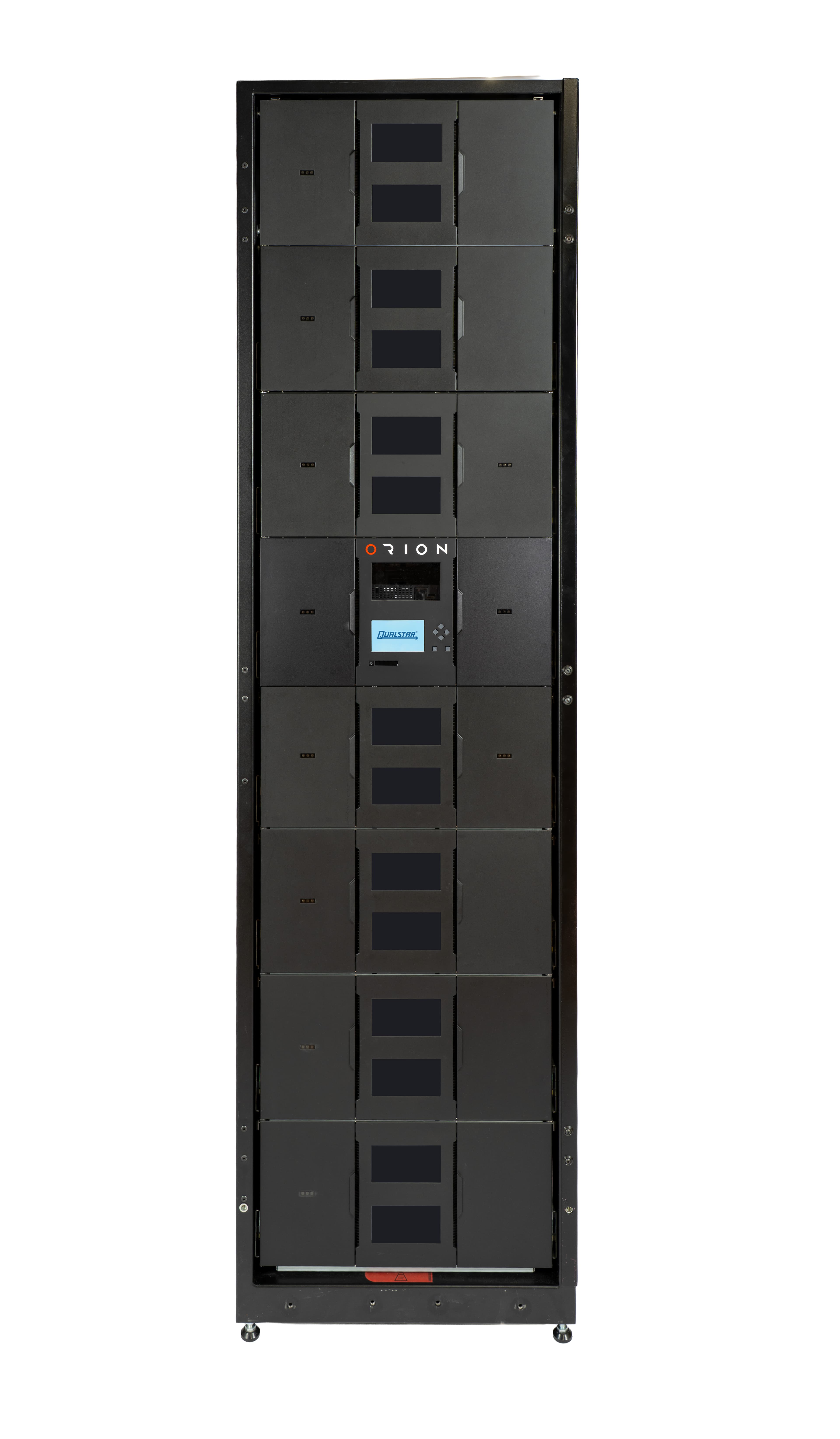
Qualstar Q1000+ enterprise tape library for rack-scale cold storage
Qualstar Q1000+ delivers rack-scale LTO automation for the cold tier underneath disk, flash, and cloud.