Qualstar logo
Storage EconomicsEnterprise ITArticle

Cloud vs Tape vs Disk: A Real TCO Breakdown for Enterprise Storage

With HDD and SSD contract prices spiking in 2026, the storage budget question has shifted from "what tier do we add?" to "what data deserves the tier we already have?" Here is an honest five-year TCO breakdown across disk, cloud, and tape.

Published in Archive · 5 min read

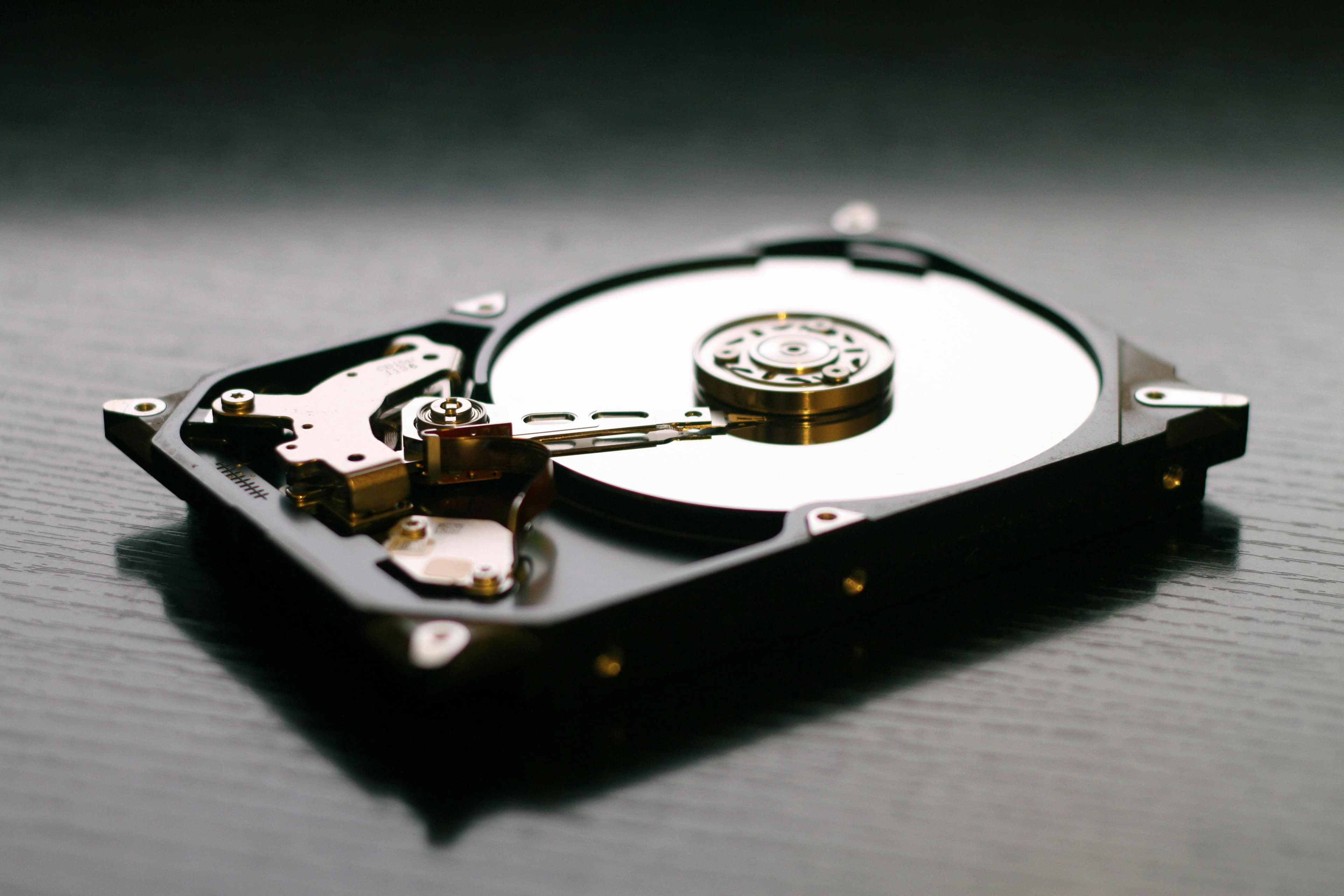
High-capacity nearline hard drives representing enterprise disk storage
Nearline HDD production is sold through to AI hyperscalers into 2028, pushing enterprise storage costs up across every tier.

Storage is the line item taking the worst beating in the 2026 IT budget. Both Western Digital and Seagate have confirmed that their entire 2026 nearline HDD production is already sold through to AI hyperscalers, with binding agreements stretching into 2028, and contract HDD pricing rose roughly 35 percent between Q2 2025 and Q1 2026, according to TrendForce data tracked by Tom's Hardware. Enterprise SSDs have moved further still, with TrendForce forecasting contract prices up fifty-three to fifty-eight percent quarter over quarter in Q1 2026.

For most IT leaders, the budget conversation has shifted from "what tier do we add?" to "what data actually deserves the tier we already have?" That second question is where the total cost of ownership stops being a slide and starts being the deciding factor.

The Three Tiers, Honestly Priced

Begin with disk. A 2026 reference TCO from datacenterdisk.com puts five-year object storage at roughly 200 dollars per terabyte for hardware, 27 dollars for power, 15 dollars for cooling, 150 dollars for support, and 200 dollars for operations, landing near 592 dollars per terabyte over the five years. Enterprise SAN runs higher, often 1,500 to 3,000 dollars per terabyte per year fully loaded. The figure that surprises most planners is the share: hardware is only 15 to 25 percent of the five-year number. The rest is the air conditioning, the floor space, the people, and the lights staying on.

Cloud archive appears to be the cheapest tier on the rate card, and on paper, it is. AWS S3 Glacier Deep Archive is published at $0.00099 per gigabyte per month, which works out to about $1.01 per terabyte each month, and Microsoft Azure Archive and Google Cloud Archive sit in the same neighborhood. The numbers that change the picture are the ones below the storage line. Standard retrieval from Glacier Deep Archive runs $0.02 per gigabyte, internet egress starts at $0.09 per gigabyte for the first 10 terabytes per month, and a full petabyte bulk restore takes around 48 hours to complete. A LeanOps analysis of Azure pricing notes that request charges, egress, and retrieval fees routinely add 30 to 70 percent to the headline storage figure. Cloud archive earns its low number when retrieval is genuinely rare, generally under one percent of stored capacity per month.

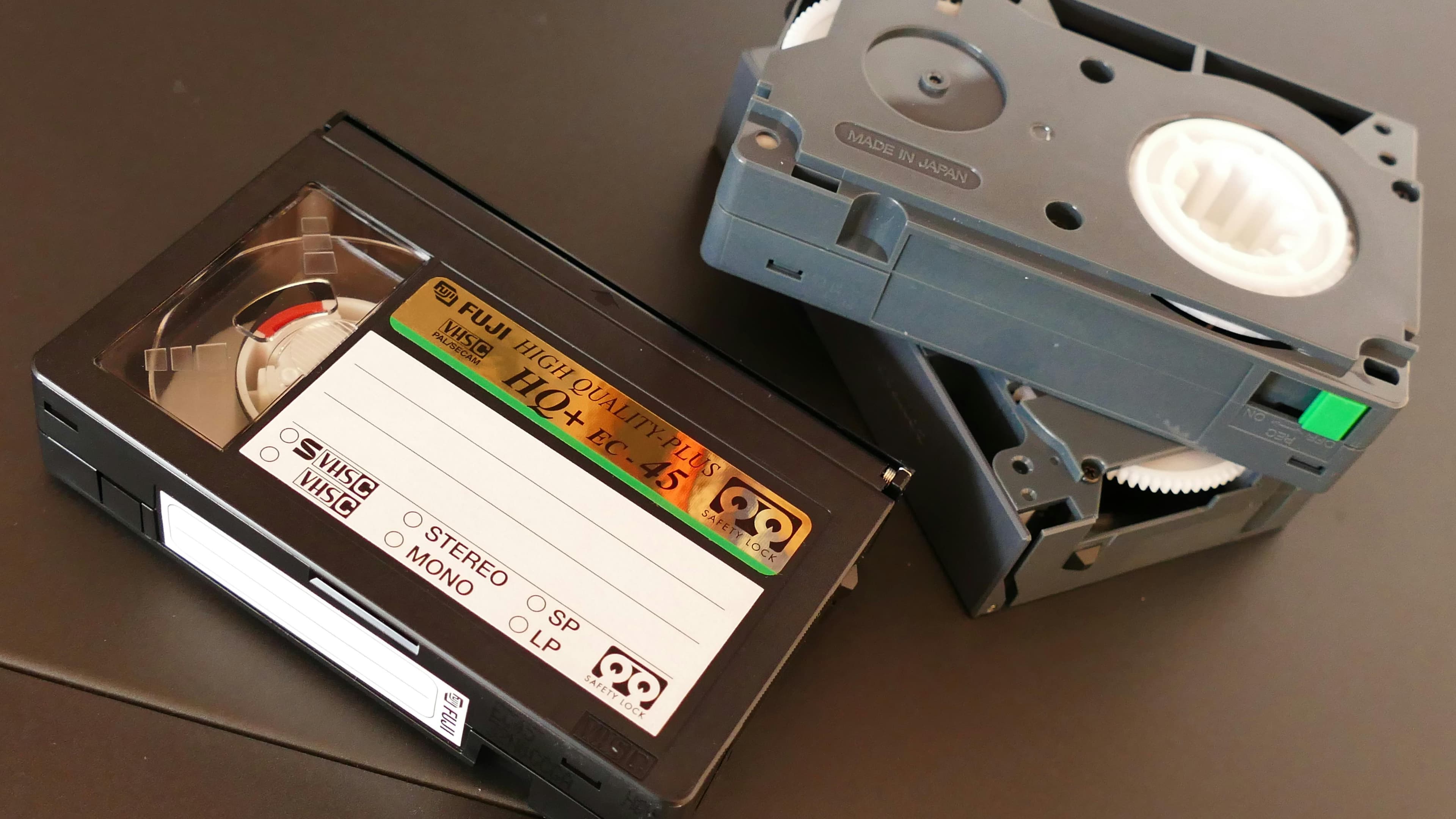
Tape sits in a different place again. LTO-10, shipping since August 2025, holds 30 terabytes natively and up to 75 terabytes with compression per cartridge. Media pricing tracked by Magstor and OWC puts a single LTO-10 cartridge at $275 to $315, which works out to roughly $10 per native terabyte or around $5 per terabyte with compression. Drives still represent the up-front commitment, with LTO-10 standalone drives priced from $6,000 to $10,000. Once that drive is in place, the fully loaded tape archive TCO modeled by Horison and Brad Johns Consulting lands between $7 and $15 per terabyte per year, against $60 to $150 per terabyte per year for active enterprise disk. A widely cited Brad Johns 10-year TCO study, published in the SMPTE Motion Imaging Journal, found that long-horizon archive on LTO produced a 577 percent ROI compared with the same data sitting on disk.

Modern LTO tape cartridge representing low-cost archive storage
At roughly $5 to $10 per terabyte of media and $7 to $15 per terabyte per year fully loaded, tape is the lowest-cost home for cold data.

Where Each Tier Wins

Active workloads still belong on disk and flash. The gap in latency and read performance between primary media and any archive tier is real, and no calculation makes it disappear. Disk earns its $60 to $150 per terabyte per year price tag for the data that needs to be answered in milliseconds.

Cloud archive earns its place for data that is global, geographically distributed by policy, or so rarely accessed that the egress conversation is academic. The math turns against the cloud the moment retrieval becomes routine, the moment a compliance request lands, or the moment a ransomware event forces a full restore on a deadline.

Tape earns its place as the primary storage for the bulk of an organization's data, which, according to Komprise's 2024 State of Unstructured Data Management report, is between 60 and 80 percent of everything sitting on primary storage, untouched for a year or longer. That cold tier has no business paying primary-storage rates, and it has no business paying cloud egress rates either. A cartridge on a shelf draws zero watts, sits offline by default, and is physically diverse from the production network in a way no online tier ever will be.

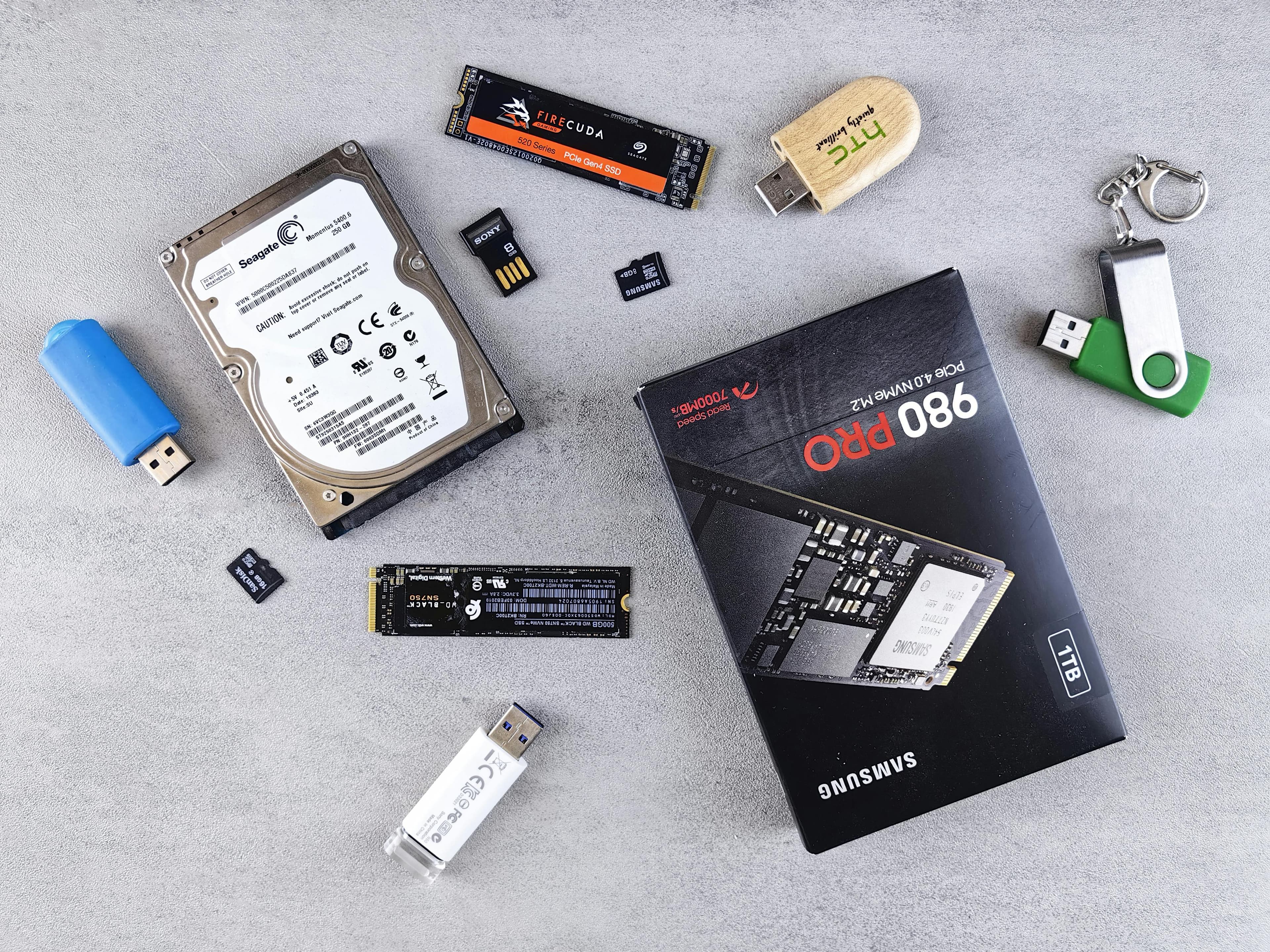
Enterprise flash and SSD storage representing the active data tier
Active data belongs on flash and disk; the cold majority does not. Right-sizing the mix is where the savings live.

What This Means for 2026 Planning

The cleanest budget answer in this environment is rarely "buy more of one tier." It is to right-size the mix. The five-year TCO swing between an unnecessary disk expansion and a properly tiered archive often clears a million dollars per petabyte once power, cooling, refresh, and egress are added in honestly. Those savings are the budget headroom that lets the primary disk estate run another two years without a forced refresh at 2026 pricing.

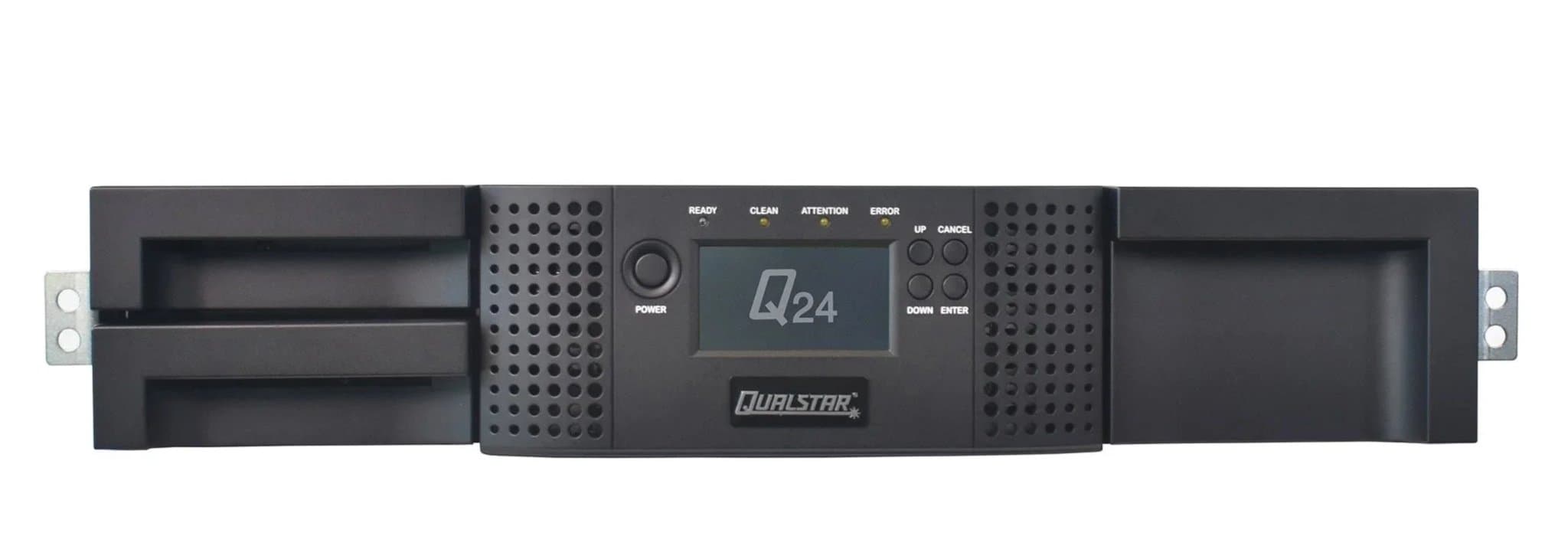
Qualstar designs scalable LTO tape libraries that fit into this picture as the cold tier underneath whatever disk, flash, and cloud architecture is already in place. The point is not that any one tier wins. The point is that the tier carrying the largest share of an organization's data should be priced like archive, not like production.

Qualstar Q24 tape library for scalable enterprise cold storage
Qualstar Q-Series libraries provide the cold tier underneath an existing disk, flash, and cloud architecture.